EV Charger Installation Cost Guide for Melbourne Homes
Home charging is the main reason running an electric car is cheaper than a petrol one, but the install cost varies more between houses than most people expect. Two neighbours on the same street can get quotes that differ substantially, and the difference is almost always physical: where the switchboard sits, how far the cable has to travel, and whether the existing board has room for another circuit. This guide breaks down every factor that moves the price so you know what you are paying for and what you can influence.
Distance from the switchboard to the parking spot
The single biggest variable is cable length and route. A charger mounted on the garage wall two metres from the board is a short job. A charger at the end of a driveway on a double block, or on the opposite side of a double-storey house, means a much longer run and often conduit, trenching or cavity work.
Route difficulty matters as much as distance. A clear roof cavity is quick. A concrete slab home with no under-floor access, a rendered brick wall, or a heritage facade that cannot be chased all add labour and materials.
If you have flexibility on charger position, tell your electrician during the quote. Moving the unit a couple of metres to line up with an existing cable path can meaningfully change the price without affecting how you use it.
Switchboard capacity and whether an upgrade is needed
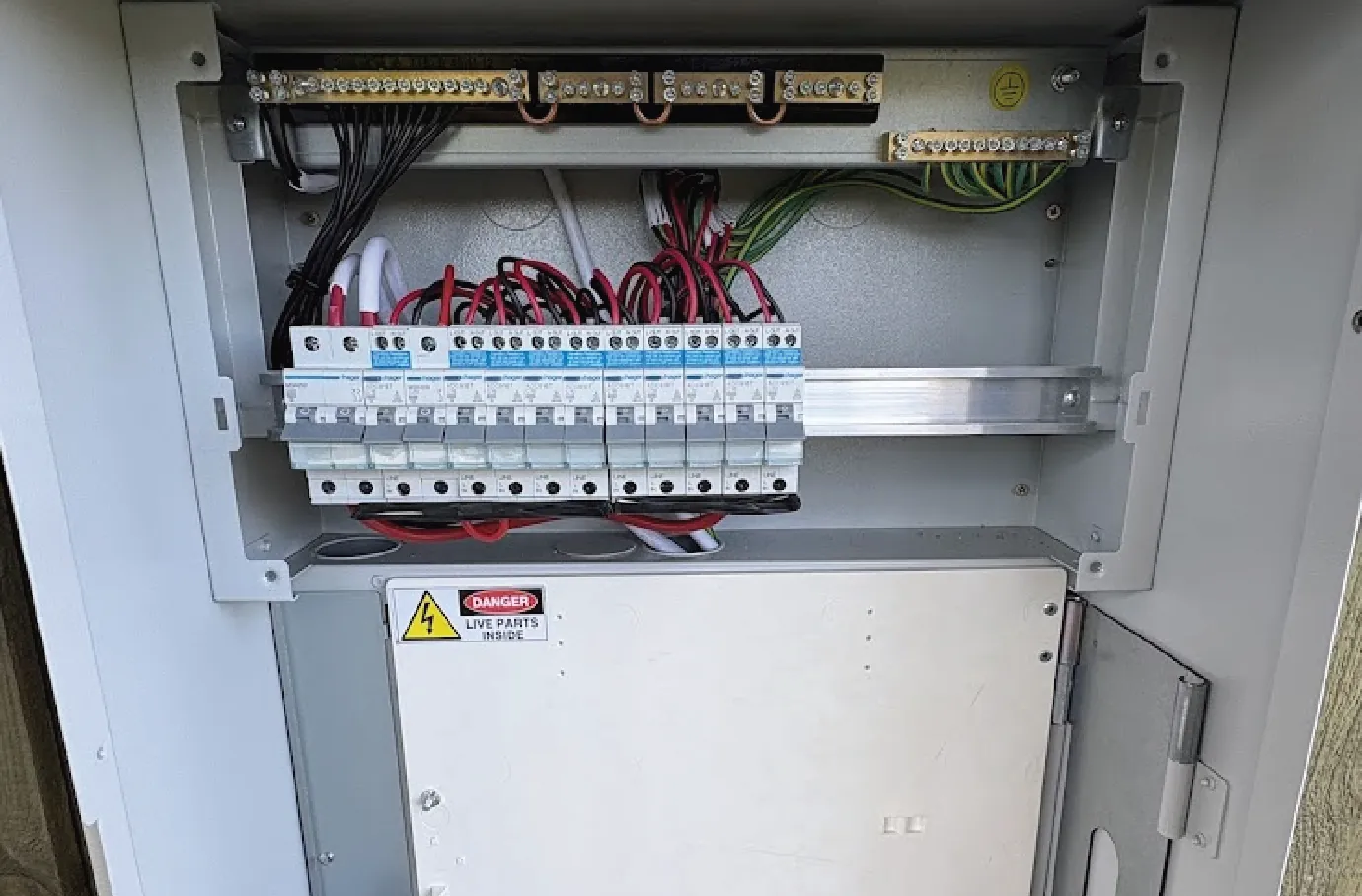
An EV charger needs its own dedicated circuit with its own protection. If your board has spare poles, correct RCD protection and healthy main switch capacity, that circuit simply gets added. If the board is full, is still running ceramic fuses, or has no safety switches, it needs upgrading first.
We also do a load assessment. Adding a 7kW charger to a home already running ducted air conditioning, an electric oven and an induction cooktop can push the maximum demand past what the supply comfortably carries. Sometimes the answer is a board upgrade, and sometimes it is smart load management on the charger itself, which is cheaper.
If your board looks its age, our article on what affects the cost of a switchboard upgrade explains what a combined job usually involves, and doing both together avoids paying for two mobilisations.
Single-phase versus three-phase
Most Melbourne homes are single-phase, and a 7kW single-phase charger adds roughly 40 to 50 kilometres of range per hour. Plugged in overnight, that covers the daily driving of almost every household comfortably.
Three-phase charging at up to 22kW roughly triples that rate, but only if your car accepts three-phase AC, which many do not. If your home already has three-phase supply, the upgrade is worth considering for large batteries or two-EV households. If it does not, bringing in three-phase for charging alone is rarely justified.
The practical test is simple: work out your typical daily kilometres and how many hours the car sits at home. If overnight single-phase charging covers it with room to spare, spend the money on a better unit or a tidier install rather than on speed you will not use.
The charger unit itself
Charger prices vary by brand, by whether the unit is tethered with an attached cable or untethered with a socket, and by features. Smart chargers add scheduling, app control, solar diversion so the car charges from excess PV, load management, and in some cases open charge point protocol support for future tariff changes.
Solar diversion is the feature that pays for itself fastest for households with a decent rooftop system, because it shifts charging into the middle of the day using energy that would otherwise be exported at a low feed-in rate.
Weather rating matters for outdoor installs. A unit mounted on an exposed carport wall needs an appropriate IP rating and ideally some shelter, because heat and driving rain shorten the life of cheap hardware.
What a compliant install includes
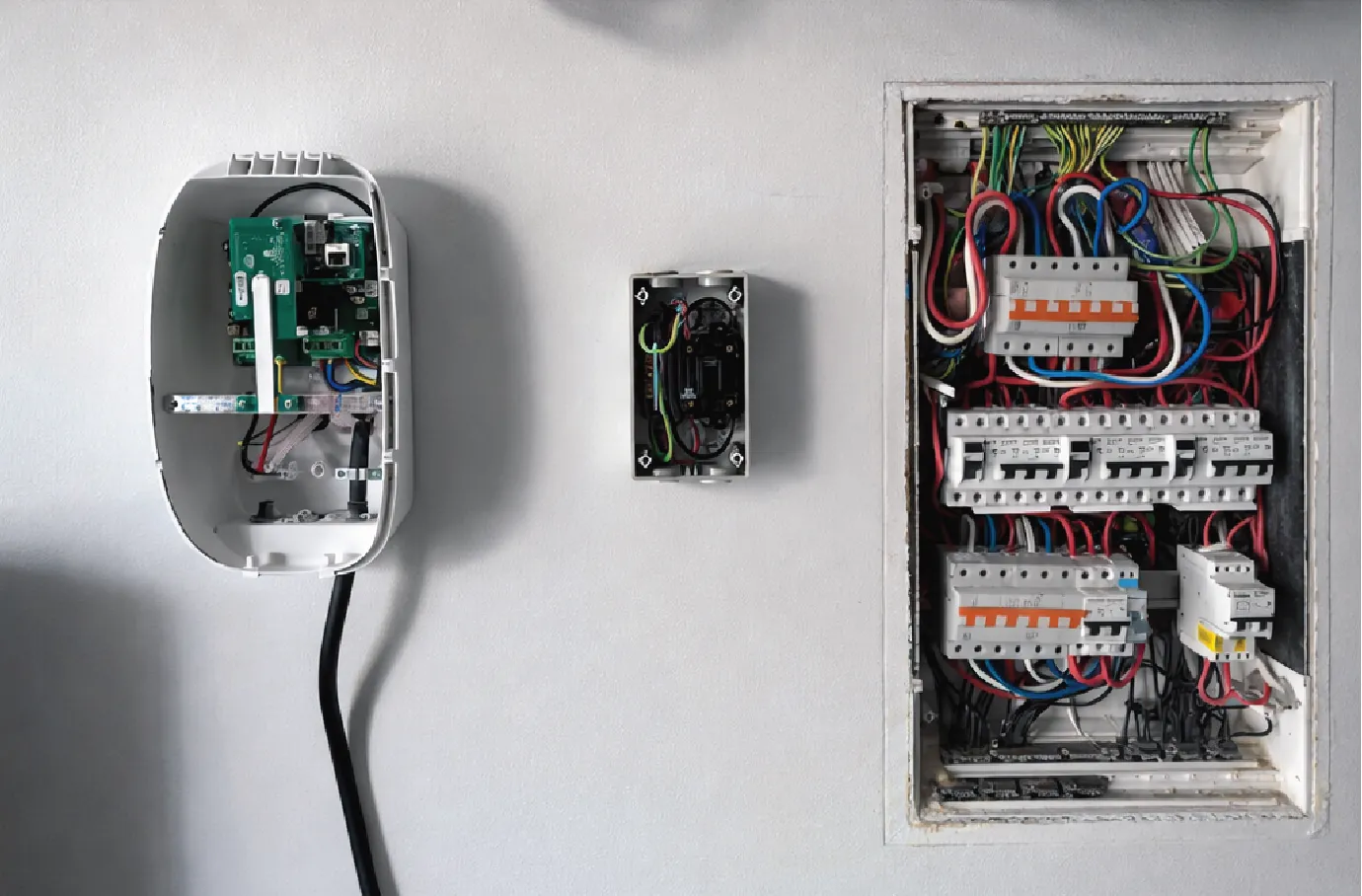
A proper install is more than hanging a box on a wall. It includes the site assessment and load calculation, the dedicated circuit with correctly sized cable, the required RCD type for DC fault protection, the isolation and labelling at the board, mounting, termination, testing and commissioning with your vehicle.
Every install must comply with AS/NZS 3000 and the wiring rules covering electric vehicle supply equipment, and must be done by a licensed A-Grade electrician. Anything else risks your insurance and your vehicle warranty.
On completion you should receive a Certificate of Electrical Safety. Keep it with your house documents, because buyers and insurers ask for it. Our EV charger installation service covers all of the above as a fixed price agreed before we start.
Timing, rebates and apartments
A straightforward install takes half a day. Longer cable runs, a switchboard upgrade or an external trench take a full day. We aim to complete everything in one visit so you are not without power or without a car park twice.
Rebate and incentive programs for home charging change from time to time, so check the current Solar Victoria and federal listings before you buy. We can supply the documentation installers are usually asked for.
Apartments and townhouses need owners corporation approval and often a metering solution so charging is billed to the right lot. We handle a lot of this in higher density areas like Melbourne CBD and Richmond, and we can put the technical detail in writing for your committee.