What Affects the Cost of a Switchboard Upgrade?
A switchboard upgrade is one of those jobs where two quotes for the same house can look very different, and homeowners are left trying to work out what the gap actually represents. The honest answer is that the board itself is a small part of the job. What drives the price is the condition of what sits behind it, how much work is needed to make old circuits safe to reconnect, and whether the supply, meter panel or main earth also needs attention. This guide walks through each factor so you can read a quote properly instead of just comparing the number at the bottom.
The size and layout of the new board
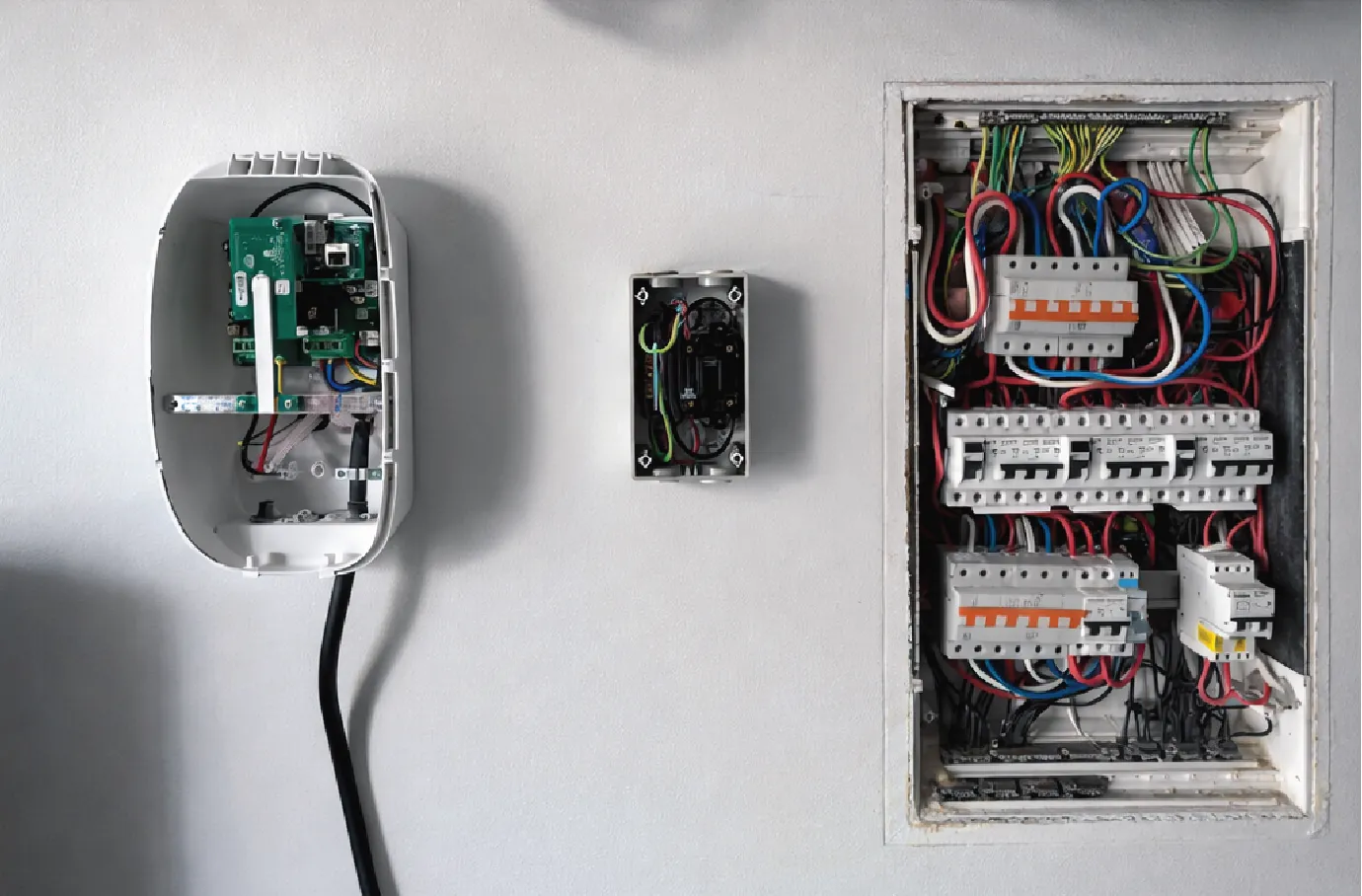
Board cost scales with the number of poles. A small unit with four or five circuits needs far less hardware than a renovated family home running separate circuits for the kitchen, oven, air conditioning, downlights, power, laundry and an EV charger.
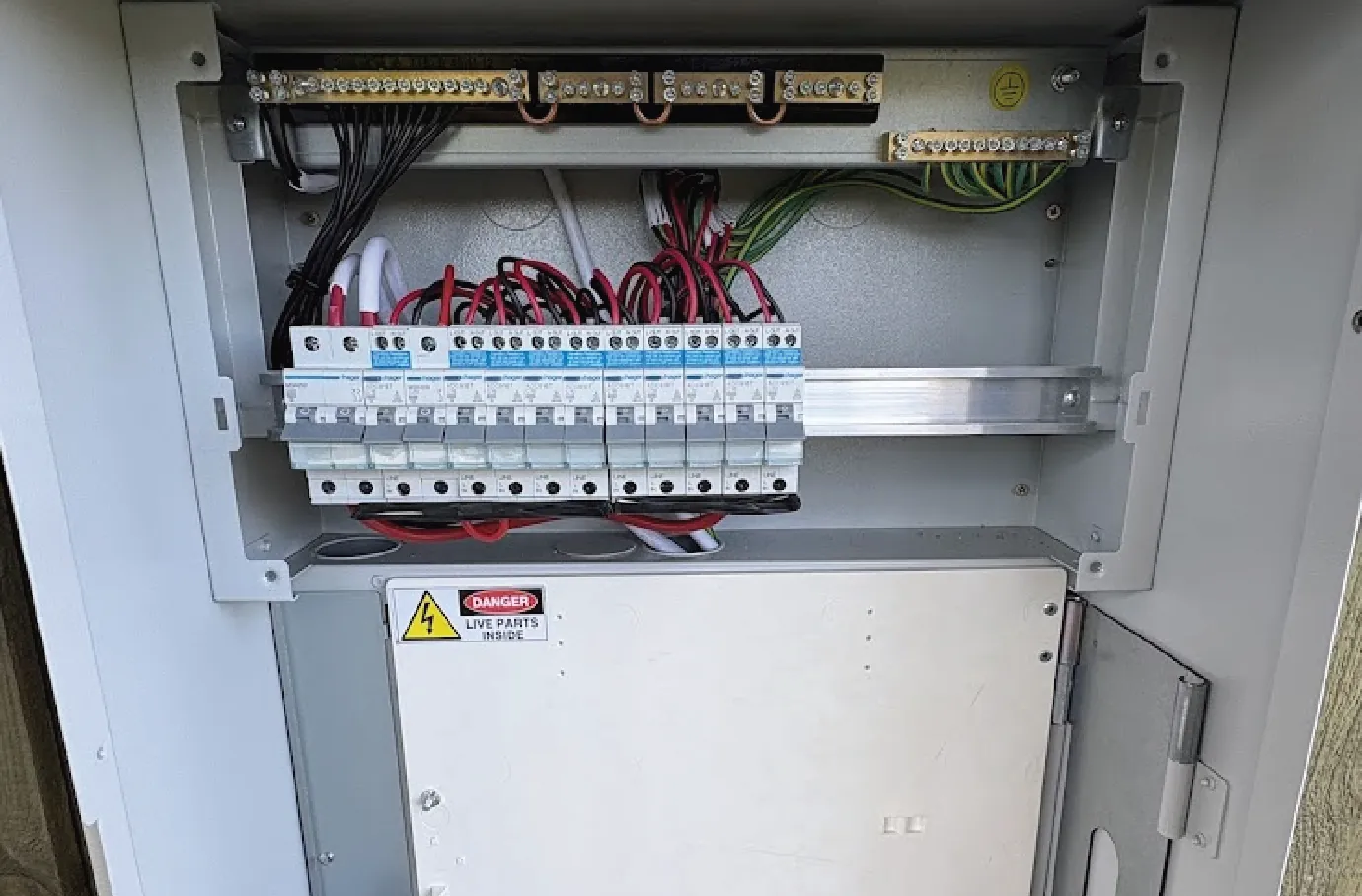
Every final sub-circuit in a modern board needs RCD protection, and most upgrades use RCBOs so each circuit has its own combined safety switch and breaker. That costs more than the old approach of one shared safety switch across several circuits, but it means a fault in the fridge does not take out the bedroom power at 2am.
Enclosure type matters as well. A flush board in a hallway cupboard takes more time to fit neatly than a surface board in a garage, and a weatherproof external enclosure with an escutcheon is a different item again.
The condition of the existing wiring
This is the factor that surprises people most. A new board is only as good as the circuits it feeds, so before energising anything we test insulation resistance on every circuit. If a circuit fails, we cannot legally reconnect it as it stands.
In older Melbourne homes we routinely find rubber or cotton insulated cable that has gone brittle, undersized neutrals, unearthed circuits feeding metal light fittings, and previous work joined in a ceiling with no accessible junction. Any of those has to be repaired or the circuit re-run, and that work sits on top of the board itself.
This is why a quote given over the phone from a photo can only ever be indicative for an older property. A short on-site test tells us which circuits are healthy and which need remediation, and that turns a guess into a fixed price. If you are seeing symptoms already, read our guide on the signs your home wiring is outdated.
Meter panel, main switch and supply upgrades
Some homes have a switchboard and meter in the same enclosure, and once you open it up the panel itself is asbestos-backed, rusted or too small to take modern gear. Replacing the panel adds labour and sometimes needs the supply temporarily disconnected, which means coordinating with the distributor.
If the consumer mains from the street are undersized or degraded, they need replacing before the new board can carry a modern load. Homes adding an EV charger, induction cooking and ducted air conditioning at the same time frequently hit this point.
Moving from single-phase to three-phase supply is a bigger project again, involving the distributor, new mains and a larger board. It is worth doing for homes with heavy loads or two electric vehicles, but it should be planned deliberately rather than discovered mid-job.
Earthing, access and property type
Older properties often have an earth stake that no longer meets current requirements, or an earth conductor that is undersized. Bringing the earthing system up to AS/NZS 3000 is not optional, and in some homes it means running a new earth to the water pipe and driving a new stake.
Access changes labour time. A single-storey weatherboard with an accessible roof cavity is straightforward. A double-brick period home with a plastered cathedral ceiling and no crawl space is slower for every cable run, which is normal in areas like Hawthorn and Kew.
Apartments and units bring body corporate coordination, shared meter rooms and sometimes restricted work hours. None of that is difficult, but it does affect how long the job takes.
How to compare switchboard quotes fairly
Ask each electrician what happens if a circuit fails insulation testing on the day. A quote that ignores this is not a fixed price, it is an opening number. Ours states clearly what is included and what would be quoted separately if a circuit needs remediation.
Check whether the quote uses individual RCBOs or shared safety switches, whether surge protection is included, whether circuits will be tested and labelled, and whether the Certificate of Electrical Safety and Energy Safe Victoria lodgement are covered.
Also ask about downtime. We stage most residential upgrades so power is restored the same day rather than leaving a family without a fridge overnight. That planning is part of the job, not an extra.
When an upgrade is worth doing now
If your board still has ceramic rewireable fuses, has no safety switches on power and lighting circuits, trips repeatedly, or has visible scorching or a burning smell, an upgrade is overdue. Those are safety issues, not comfort issues.
It is also the right time if you are about to add load. Installing a home EV charger, an induction cooktop or ducted air conditioning to a board with no spare capacity is money spent twice if the board has to come out six months later.
Near Me Electrical provides switchboard upgrades across Melbourne with a fixed price agreed in writing after an on-site inspection, every circuit tested and labelled, and a Certificate of Electrical Safety on completion. Call 0405 592 496 to book an assessment.