Signs Your Home Wiring Is Outdated and Needs Replacing
Plenty of Melbourne homes are still running on wiring installed when a house had a fridge, a radio and a few light globes. Insulation degrades, connections loosen and load has multiplied, and unlike a leaking roof, deteriorating wiring gives you very little warning before it becomes dangerous. The good news is that there are reliable warning signs, and an electrician can measure the condition of your circuits objectively rather than guessing. Here is what to look for and what to do about it.
Warning signs you can see and smell
Discoloured, browned or scorched power points and light switches indicate heat at a connection, which means a loose or degraded termination. A power point that feels warm to touch is the same problem earlier in its life.
A fishy, acrid or burning plastic smell near a switchboard, outlet or light fitting is overheating insulation and should be treated as urgent. Switch that circuit off at the board and call an electrician before using it again.
Buzzing or crackling from a switch, outlet or the switchboard is arcing. Sparks when you plug something in, beyond the occasional harmless flash, indicate worn contacts. Any tingle from an appliance, tap or metal fitting means an earthing fault and needs immediate attention.
Behavioural signs the wiring is struggling
Lights that dim or flicker when the kettle, air conditioner or washing machine starts suggest voltage drop from undersized or degraded cable, or a loose connection somewhere in the circuit.
Breakers or safety switches that trip regularly are telling you something. Occasional trips from a failing appliance are normal; repeated trips on the same circuit are not. Our guide on why your safety switch keeps tripping covers how to narrow that down.
Power points that only work sometimes, or that stop working when you wiggle the plug, mean the accessory or its terminations have failed. Reliance on double adaptors and power boards throughout the house is a sign the circuit layout no longer matches how you live, which is a capacity problem rather than a safety one but usually gets solved at the same time.
Age markers that tell you the era of the wiring
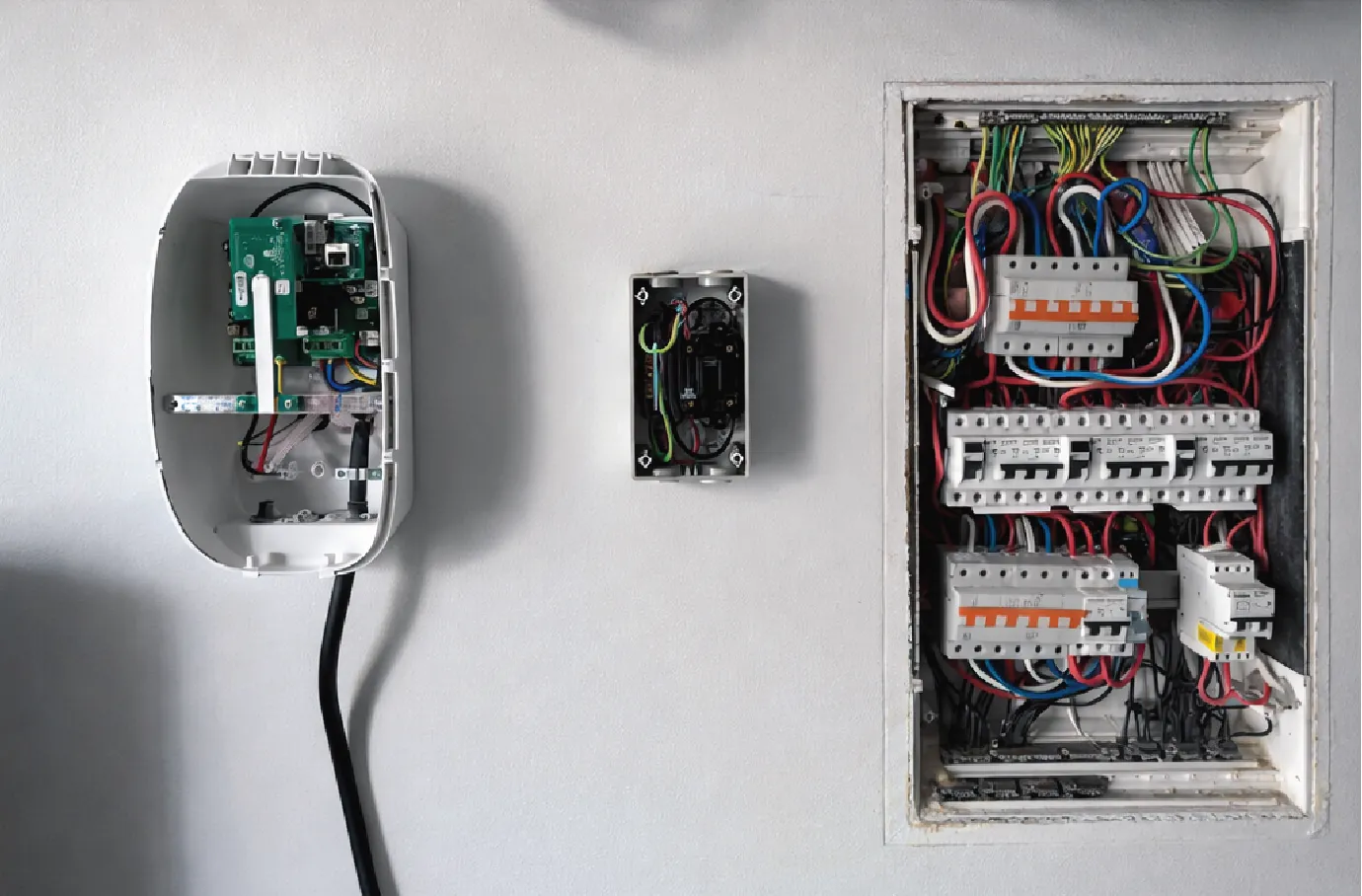
Ceramic rewireable fuses with fuse wire date a board to before the 1980s in most homes. No safety switches at all on power and lighting circuits usually places the installation before the mid 1990s.
Rubber or cotton braided cable in the roof space is the clearest marker of a home due for rewiring. Once rubber insulation goes brittle it cracks when disturbed, so even walking through the roof cavity to install a downlight can create a fault.
Two-pin unearthed power points, cloth-covered flex on light fittings, black round pin outlets, and metal light fittings with no earth conductor all indicate original mid-century wiring. Aluminium cable in certain 1960s and 70s installations is another one to have checked.
Why old wiring matters beyond the obvious
Degraded insulation allows leakage current, which is what causes those repeated safety switch trips. Without a safety switch installed, the same leakage produces no warning at all until someone gets a shock or a fire starts in the ceiling.
Insurers can and do query electrical compliance after a fire, and a Certificate of Electrical Safety history helps considerably. Buyers and building inspectors also flag old boards and unearthed circuits, which affects both price and settlement.
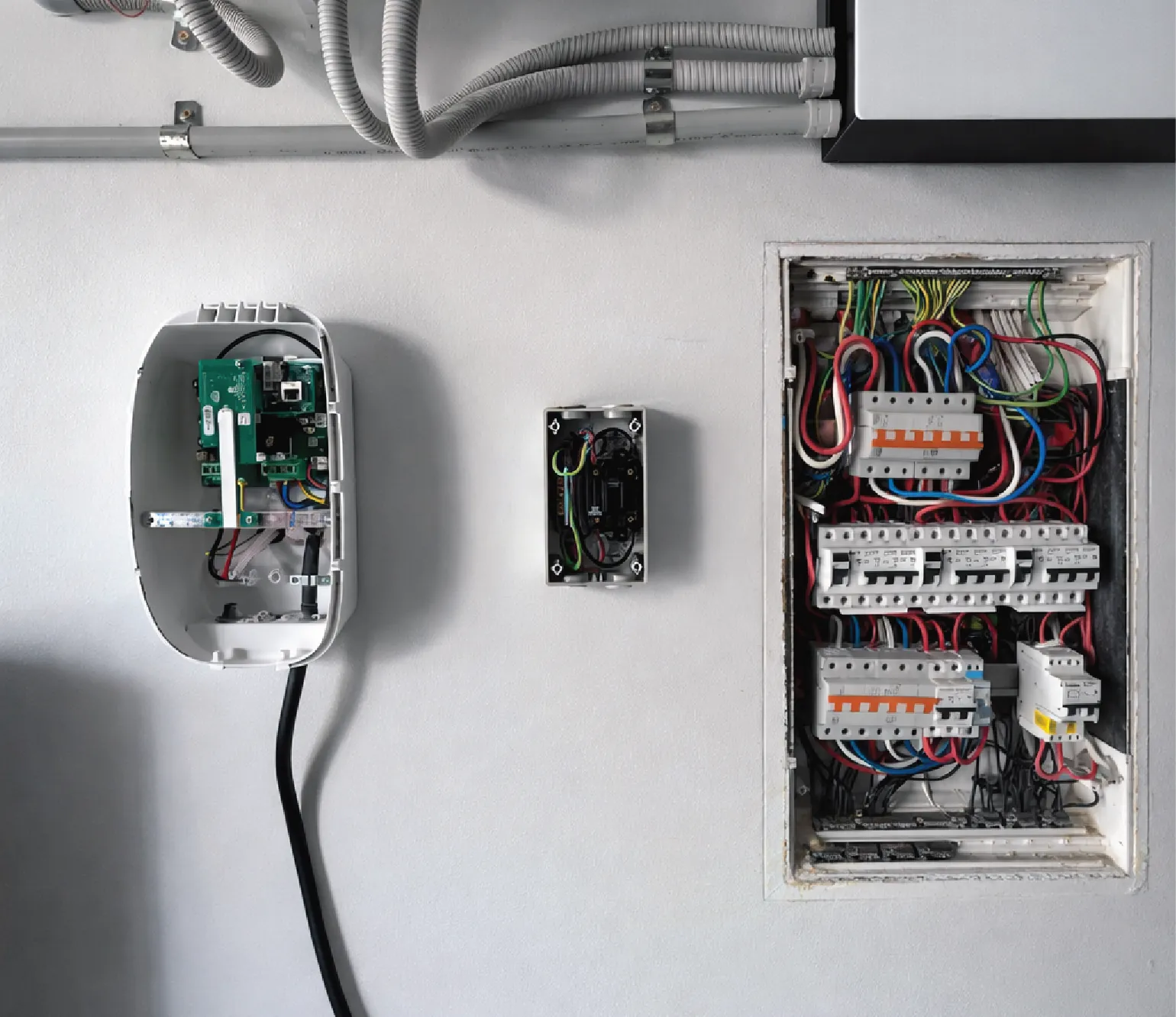
There is a practical dimension too. Old circuits cannot support induction cooking, ducted air conditioning, a home office or an EV charger. Every one of those upgrades stalls at the same question: is the existing wiring safe to extend?
How an electrician assesses wiring condition
We start with a visual inspection of the switchboard, accessible accessories and the roof space, noting cable type, earthing arrangement and any previous unpermitted work. Then we measure, because appearance alone is not enough.
Insulation resistance testing on each circuit gives a number that tells us how much the insulation has degraded. Earth continuity and loop impedance testing confirm the protective system actually works. RCD testing confirms trip times. Together these produce an objective picture, circuit by circuit.
The outcome is a written report telling you which circuits are healthy, which need remediation, and which must be replaced. That lets you stage the work over time rather than doing everything at once, if a full rewire is not practical right now.
Full rewire, partial rewire or board upgrade
A full rewire replaces every circuit and the switchboard, and it is the right answer for homes with original rubber-insulated cable throughout. It is disruptive, so it is usually planned alongside a renovation or between tenancies.
A partial rewire replaces the worst circuits, typically kitchen, laundry and any unearthed lighting, while retaining sound circuits. Combined with a modern board it delivers most of the safety benefit at a much lower level of disruption.
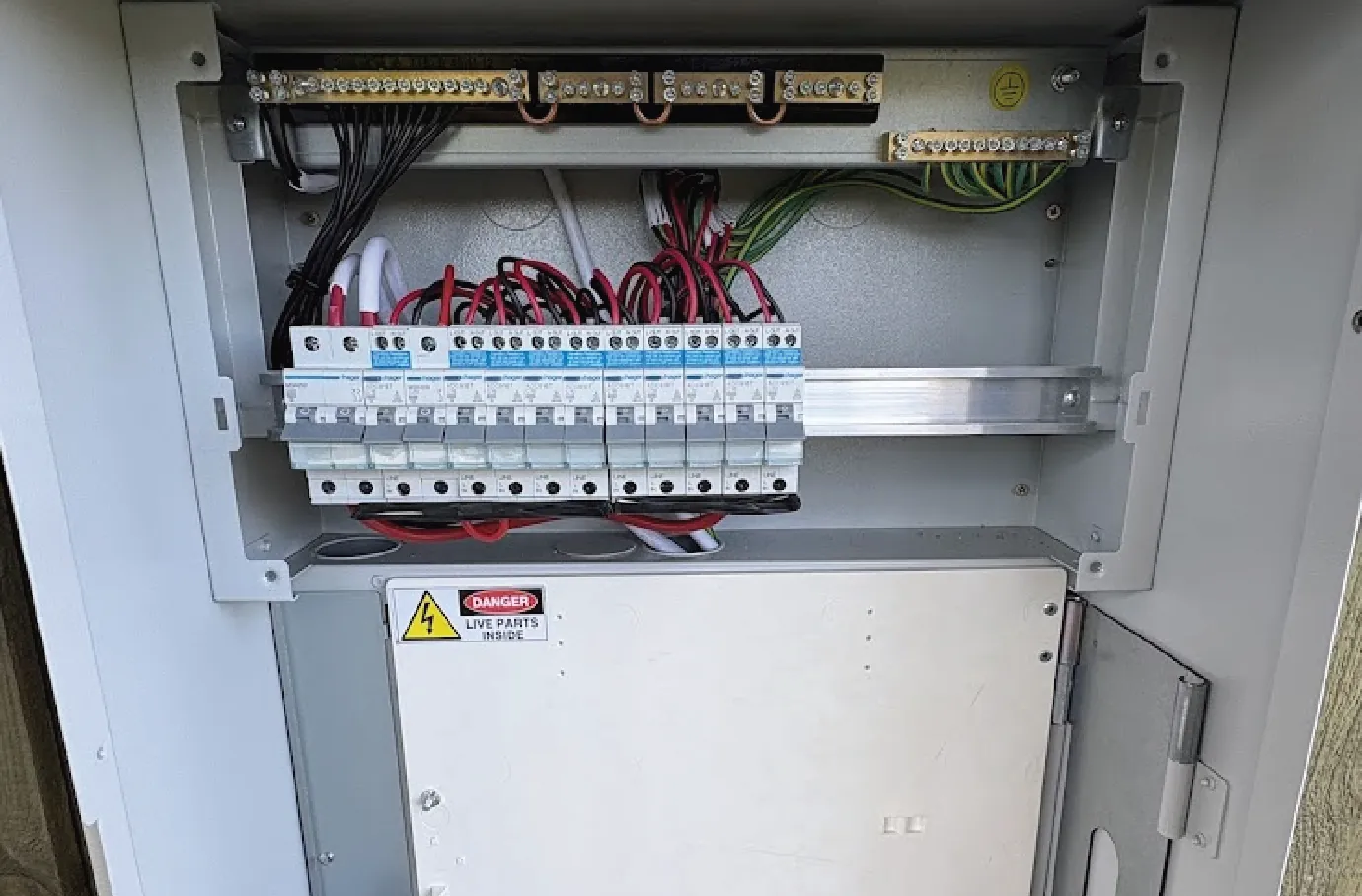
In many homes the first step is simply a switchboard upgrade so every circuit gains RCD protection, followed by remediation of any circuit that fails testing. We do this work regularly in older housing stock around Northcote and Brunswick. Call Near Me Electrical on 0405 592 496 for an assessment and a fixed price in writing.