Why Your Safety Switch Keeps Tripping
A safety switch trips because it has detected current leaking somewhere it should not be going, often to earth through a damaged appliance, damp wiring or a person. It is a protective device doing exactly what it was installed to do, which is why resetting it repeatedly without finding the cause is the wrong response. This guide explains the difference between a safety switch and a circuit breaker, how to isolate the culprit yourself in about ten minutes, and the situations where you should stop and get a licensed electrician involved.
Safety switch, circuit breaker or fuse: know what tripped
A circuit breaker protects the wiring from overload and short circuit. It trips when too much current flows, usually because too many appliances are running on one circuit or an appliance has failed internally.
A safety switch, or RCD, protects people. It monitors the difference between the active and neutral current and cuts power within about 30 milliseconds if it detects even a small leak to earth. That is the device that saves someone drilling into a cable.
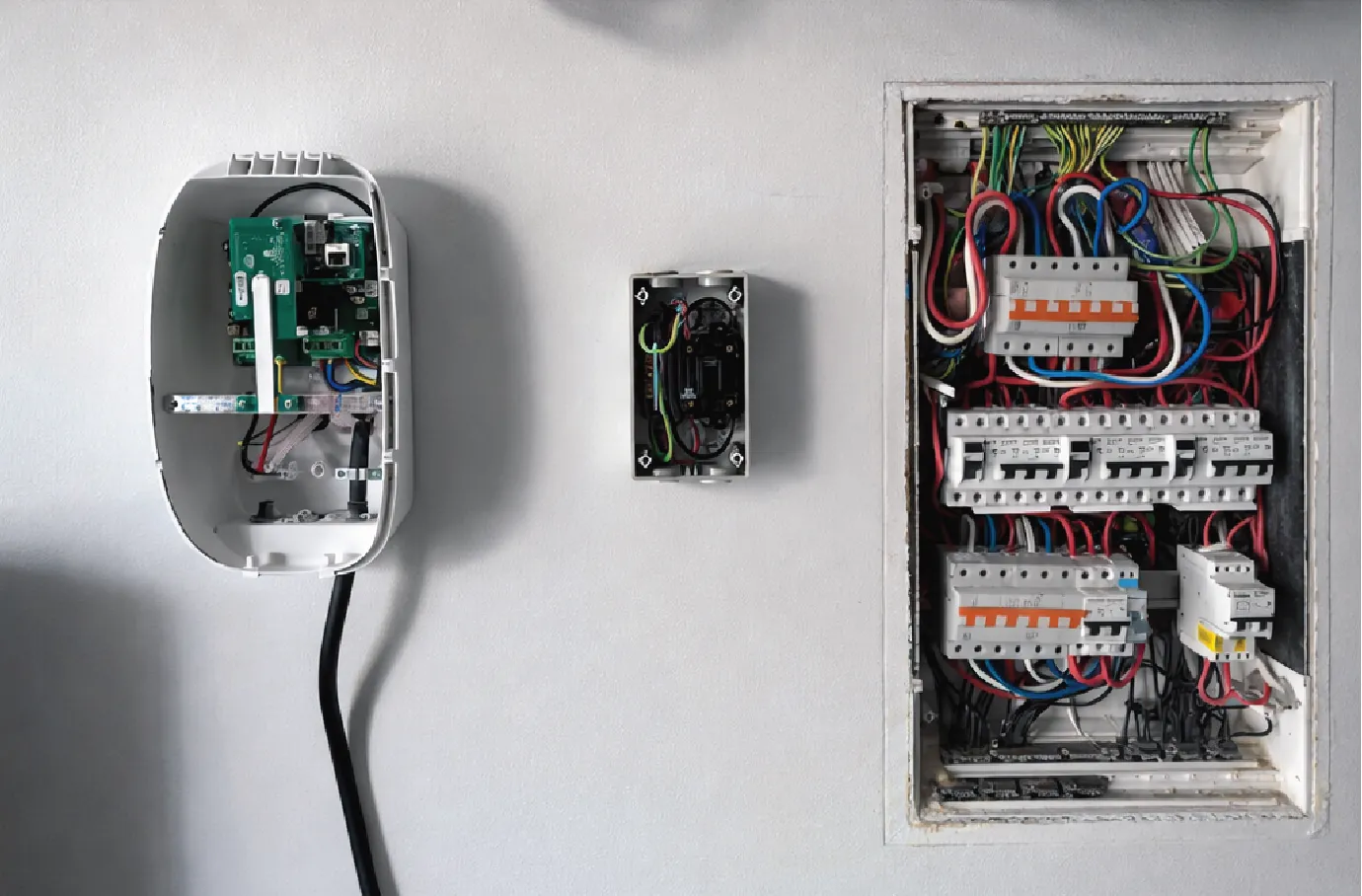
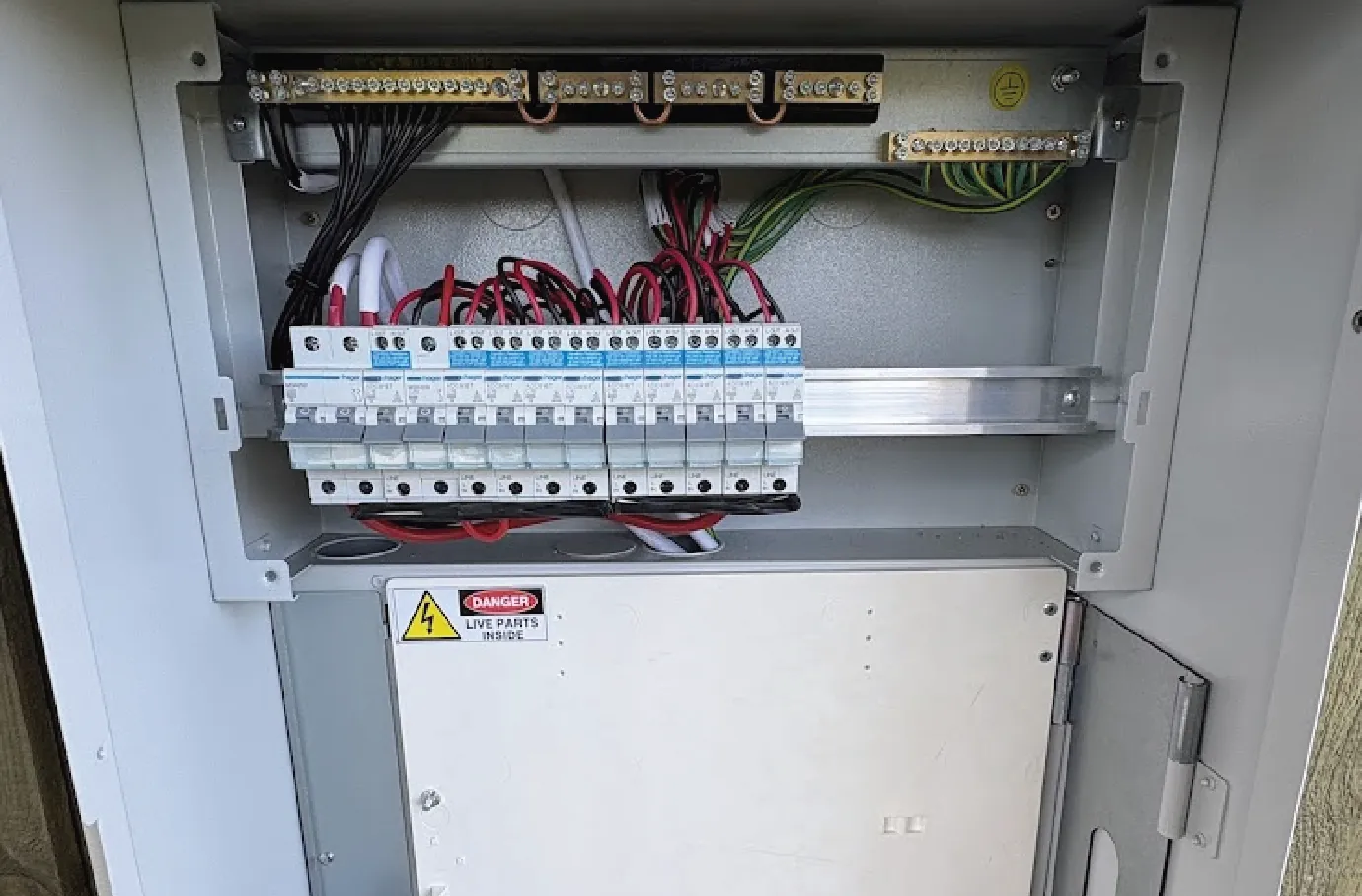
An RCBO combines both in a single module, which is standard in modern boards. Knowing which device operated narrows the cause immediately, so before resetting anything, look at the board and note exactly which switch is down and what it is labelled.
The most common causes of nuisance tripping
Faulty appliances are the leading cause. Kettles, toasters, old fridges, washing machines, dishwashers and anything with a heating element develop small leakage as the element degrades. Individually each might be fine, but combined leakage across a circuit can push past the trip threshold.
Moisture is second. Water in an outdoor power point, a leaking roof dripping onto a ceiling rose, a flooded garden light or condensation in an external junction box will all trip an RCD, which is why so many trips happen the morning after heavy rain.
Damaged cable is third, whether from a nail or screw through a wall cable, rodents in the roof space, or old insulation that has become brittle. Fourth is a genuinely overloaded circuit, and fifth is a failing RCD itself, which does happen after 10 to 15 years in service.
How to isolate the cause yourself in ten minutes
Start by unplugging everything on the affected circuit, then reset the safety switch. If it holds, plug appliances back in one at a time, waiting a minute between each. The one that trips it is your culprit, and it needs repair or replacement, not a different power point.
If the switch will not reset even with everything unplugged, turn off all the individual circuit breakers, reset the RCD, then switch the breakers back on one at a time. Whichever breaker trips the RCD tells you which circuit the fault sits on.
If it trips only under certain conditions, note the pattern. Only when it rains points to water ingress outdoors. Only when the oven preheats points to a failing element. Only at night points to outdoor lighting or a timer. Those notes cut diagnostic time significantly when we attend.
When to stop and call an electrician
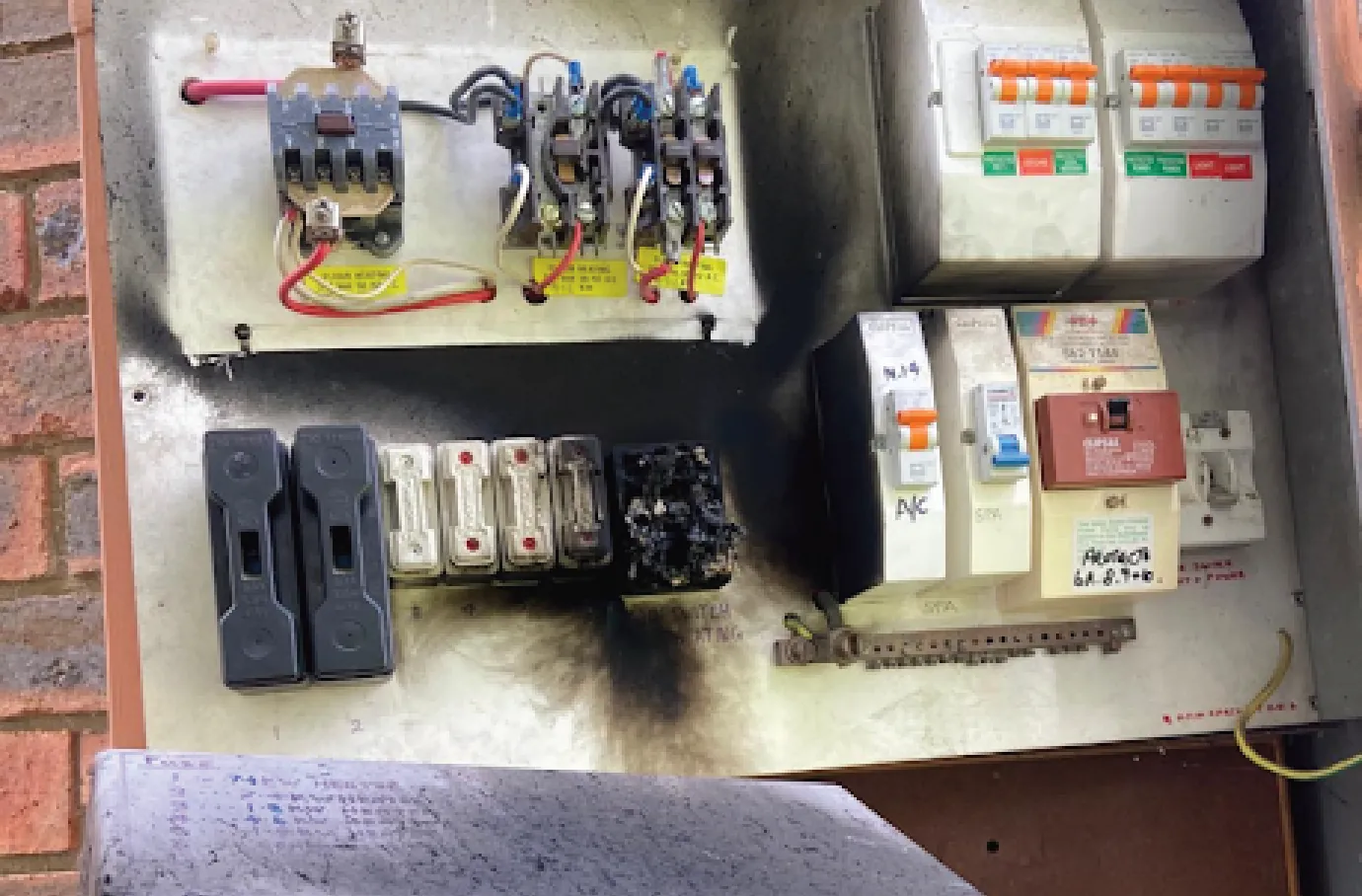
Call immediately if you smell burning or hot plastic, see scorch marks or discolouration on a switch or outlet, feel warmth on a power point or the switchboard, hear buzzing or crackling, or receive a tingle from any appliance or tap. Turn the affected circuit off and leave it off.
Also call if the safety switch will not stay on with every circuit isolated, if it trips again within minutes each time, or if multiple circuits are affected at once. Those point to a fault in the fixed wiring or the protective device itself.
Never bypass a tripping safety switch, tape a breaker in place or replace a device with a higher rated one to make the problem go away. That removes the protection without removing the fault, which is how electrical fires start.
What a professional fault-find looks like
We start at the switchboard, verify the device that is operating and confirm it is functioning correctly with an RCD tester that measures actual trip time and trip current. A device tripping at well under its rating is faulty and gets replaced.
Then we isolate the affected circuit and measure insulation resistance between active, neutral and earth. That number tells us whether the leakage is in the fixed wiring or downstream in appliances, and it does so without guesswork. We use clamp meters to measure standing leakage on each circuit, which finds the accumulated appliance leakage that causes intermittent trips.
From there we trace the circuit physically, checking accessories, terminations and the roof space until we find the fault. We give you a fixed price for the repair before proceeding, then retest the circuit and issue a Certificate of Electrical Safety. That whole process is our electrical fault finding service, and it usually takes one to two hours.
Preventing repeat trips
Test your safety switches every three months by pressing the test button on each one. It should trip instantly. If it does not, it needs replacing. This is a two-minute job that most households never do.
Spread heavy appliances across circuits where possible, keep outdoor power points covered and closed, and replace ageing appliances rather than nursing them along. If your board has one shared safety switch protecting everything, upgrading to individual RCBOs means a single failing appliance no longer blacks out the house.
If your board is old enough that it has no safety switches at all, that is the priority. See our switchboard upgrades page, or call Near Me Electrical on 0405 592 496 for a same-day fault-find anywhere in Melbourne metro.